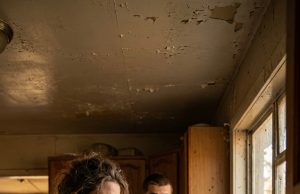
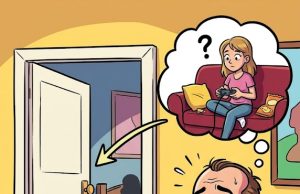
I sent my sister $5,000 to organize a baby shower for my unborn son: food, decorations, everything. That night, as I was clearing the table, my son’s tablet suddenly played a recording. My sister’s voice crackled in, cold and indifferent: “Tell him no kids allowed; that spoiled brat will only ruin the atmosphere.” My ten-year-old son froze, staring at the floor. “It’s okay, Mom,” he whispered. “I’ll stay home… again.” I kissed his forehead, my heart pounding, but my voice calm. “No, honey. Not this time.” Then I made a call, hung up, and went to bed. The next morning, the screen showed 61 missed calls.
I sent my sister Maria $5,000 when I was eight months pregnant. It was my first child with Javier, after years of hardship, and I trusted her to organize the baby shower: food, decorations, favors, everything. Maria had always been organized and assertive, and I, exhausted and happy, accepted her help without question. My eldest son, Lucas, ten years old, was excited. He said he would finally have a brother and that this day would be special for everyone.
The night before the event, already at home, I was cleaning the table while Lucas used his tablet on the sofa. Suddenly, the sound changed. It wasn’t a video. It was a recording. My sister’s voice filled the room, clear and emotionless:
“Tell him no children are allowed. That spoiled brat will only ruin the atmosphere.”
I felt the air disappear. Lucas froze. He lowered his gaze as if he were already used to disappearing.
“It’s okay, Mom,” he whispered. “I’ll stay home… again.”
That “again” pierced me. I remembered birthdays he hadn’t invited, family gatherings where he had “forgotten” his name, comments disguised as jokes. I knelt in front of him, hugged him tightly, and kissed his forehead.
“No, darling. Not this time.”
My voice sounded calm, but inside, something was breaking and coming together at the same time. I went to the kitchen, dialed a number, and spoke without raising my voice. I didn’t yell, I didn’t over-explain. I just made decisions. I hung up, turned off the lights, and went to bed.
I didn’t sleep much, but I slept peacefully.
The next morning, when I woke up, I looked at my phone. The screen was on. Sixty-one missed calls. All from the same name: Maria.
And in that instant, I knew that the baby shower wasn’t the most important thing anymore. What was at stake was something much bigger.
I didn’t return the calls right away. I made breakfast for Lucas, took him to school, and went back home. Only then did I reply to a message.
“We need to talk,” I wrote.
Maria showed up an hour later, unannounced. She walked in as usual, confident, offended.
“What do you mean, cancel the event?” she said. “Do you know how ridiculous you made me look?”
I watched her sit down on my sofa, the same one where Lucas had listened to that recording.
“Do you know what my son heard last night?” I asked.
Her face changed for barely a second. Then she sighed.
“Don’t exaggerate. I only said it would be an adult event. Lucas is sensitive, he makes noise…”
“Lucas is a child,” I replied. “And he’s my son.”
I asked her to refund the money. She laughed nervously.
“It’s all paid for.”
“Then we’ll resolve this another way.”
I took out the receipts I had asked for the night before. The venue, the food, the decorations. Everything was in her name, but paid for with my transfer.
“I spoke with the vendors,” I continued. “The event is still on, but not with you.”
Maria jumped up.
“What do you mean?”
“That the baby shower will be at my house. With my family. With the kids included. And you’re not invited.”
Her voice rose, accusing me of being ungrateful, of exaggerating, of destroying the family. I listened in silence. When she finished, I simply said:
“My family starts with protecting my children.”
That weekend there was no fancy venue or exclusive guest list. There were simple balloons, homemade food, and laughter. Lucas helped decorate. He was the first to touch his brother’s belly and tell him he would take care of him.
Later I learned that Maria told everyone her side of the story. Some doubted me. Others called me. I didn’t justify myself. I just carried on.
Because I understood something late, but just in time: allowing contempt is also a form of abandonment.
Months passed. My youngest son was born healthy. Lucas was with me at the hospital, proud, holding his brother with trembling hands. María didn’t show up. I didn’t wait for her either.
Over time, some people told me I’d been harsh, that “that’s just how she is,” that I should give in. I listened, but I no longer doubted myself. I learned that setting boundaries doesn’t break families; it only exposes what was already broken.
Lucas changed. Not suddenly, but little by little. He held his head higher, spoke with more confidence. One day he told me:
“Thank you for not leaving me behind.”
I’ll never forget that.
Sometimes, at night, I reread that saved message, the recording I never deleted. Not out of resentment, but as a reminder. That love is shown when it’s uncomfortable. When you have to choose.
I don’t know if María understood. Maybe not. But I did understand who I am as a mother.
Now I ask you, the reader of this story:
How far would you have gone to protect your child?
Would you have remained silent to keep the peace, or would you have done the same?